Car-Part.com Used Auto Parts
- 4.4
- Rating
- 500.00K
- Installs
- Free
- Price

 Analysis by App-foxy
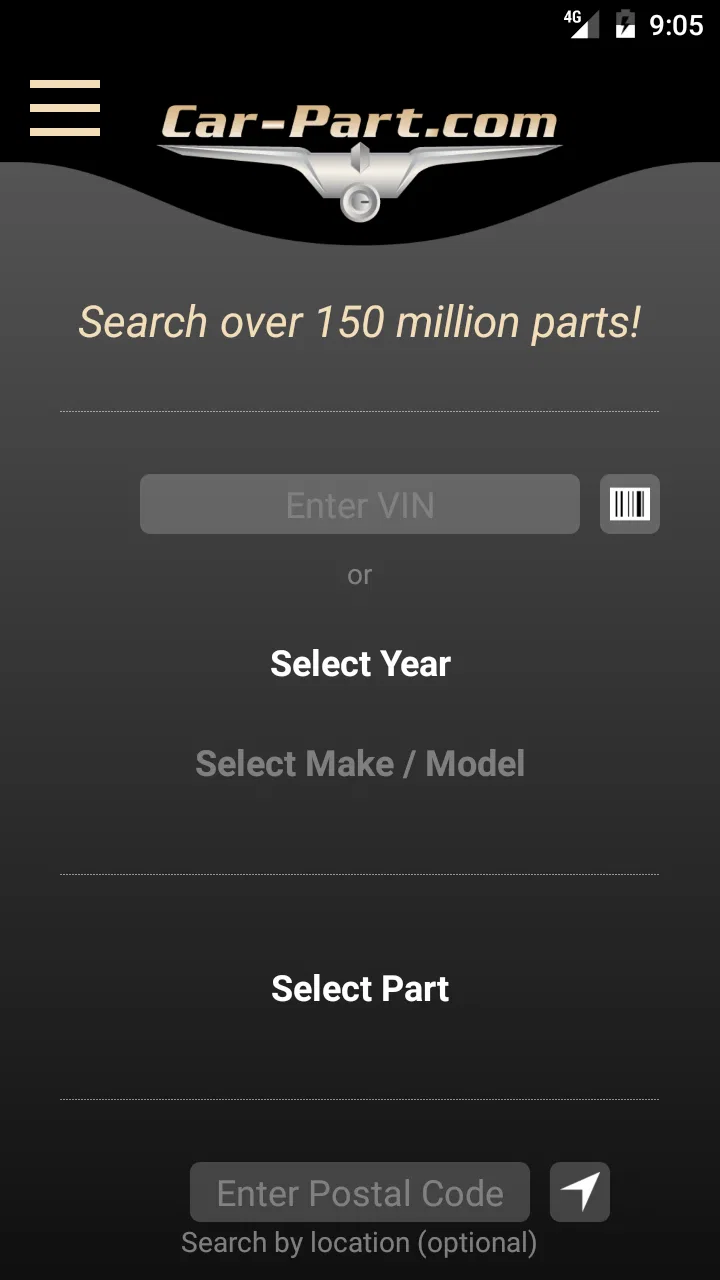
Finding a replacement part for an older vehicle can become frustrating very quickly. I may know the make, model, and year, yet still end up comparing several part names, different conditions, and sellers that do not describe their stock in exactly the same way. Car-Part.com Used Auto Parts is designed for that specific problem: it brings recycled auto parts from a large marketplace into a mobile search experience instead of making me contact salvage yards one by one.
After using it as an auto parts search app, I found its value is less about polished presentation and more about the breadth of the search. The service is associated with Car-Part.com, the developer behind a marketplace described as containing over 100 million parts. That scale can be useful when a local shop cannot find an affordable replacement, but it also means I need to search carefully and verify details before treating any result as a guaranteed match.
The app is free, aimed at Everyone, and belongs to the Auto & Vehicles category. It has an average rating of 4.3 from around 1K ratings, with 276 written reviews, and has passed 500K installs. Those figures suggest that it has found a practical audience, especially among drivers, repairers, and people trying to keep an older car on the road without immediately buying a new original part.
You May Also Like

 Google Keep - Notes and lists
Google Keep’s Quiet Growth Shows the Appeal of Simpler Notes
As mobile work gets busier, Google Keep keeps winning a simple contest: capture a thought quickly, find it later, and get on with the day.

 Blood Strike: 2.5 Anniversary
Blood Strike’s Loadouts Turn Every Drop Into a Tactical Gamble
A close look at Blood Strike’s custom loadouts: how fast access to signature weapons reshapes its battle royale rhythm, rewards preparation, and narrows the gap between fights.

 Pandora - Music & Podcasts
Pandora’s Music Is Easy to Start, but Harder to Recover
Pandora’s strength is its low-effort path from a seed to a station. Its weak spot is how much confidence it asks you to place in connection, setup, and quiet recovery.

 8 Ball Pool
 Is Built on Rivalries, Rematches, and Routine
A close look at the rivalries, rematches, shared routines, and unanswered safety questions that turn a quick pool match into a persistent mobile community.

 Samsung Music
’s Quiet Strength Is Playing What You Already Own
Its reach comes less from spectacle than from dependable access to a personal library. That simplicity is both the app’s strongest retention engine and its ceiling.

 AccuWeather: Weather Radar
AccuWeather Review: A Quick, Clear Forecast for Everyday Decisions
For everyday plans, the best forecast is the one you can understand quickly. AccuWeather makes rain timing, radar, and local conditions easy to act on, with a few trade-offs.
More From Our News Desk



Getting past the first search hurdles
I focus this section on making the first search more deliberate, so a promising result is less likely to be a near-match for the wrong vehicle or configuration. I find it helpful to decide what evidence will confirm fitment before browsing, rather than relying on a familiar-looking part name or image. Once that groundwork is in place, the next challenge is recovering when the search itself becomes frustrating.
Vehicle identification matters more than the search box
The first place I would expect a new user to get stuck is not installation; it is choosing the vehicle information correctly. A part that looks right for a particular model may differ by engine, body style, drivetrain, production period, or equipment package. If I begin with a vague description such as “front light” or “door mirror,” the results may be broad enough to create more work rather than save time.
I get better results when I begin with the exact vehicle details available to me, then search for the part using the name a dismantler or repair shop would recognize. Before opening the app, I would have the vehicle identification number, registration details, or the information from the owner’s manual nearby. The app can help locate candidates, but it cannot replace checking whether the part belongs to the exact configuration of the car.
This is especially important with electrical components. Two units can appear identical in a photograph while using different connectors or carrying different internal specifications. For body panels, color and trim can also create a misleading sense of compatibility. I treat the app’s results as a shortlist, not as permission to order the first item that looks familiar.
Why a large marketplace can feel less simple
The marketplace’s size is both its strongest advantage and its main source of friction. A nearby search may produce several possible suppliers, while a less common component may reveal options from farther away. That is helpful when availability is the problem, but it can make the decision harder because I have to compare condition, location, seller information, and the exact wording used in each listing.
Unlike a conventional online shop that usually presents one standardized product page, recycled parts often come from different businesses with different habits. One listing may identify a component by a technical name, while another may use a familiar shop term. I learned to search with the wording used in repair estimates, then try a second description if the first search seems unusually empty.
A useful tactic is to separate the part from the symptom. If my car has a window that will not move, I should not automatically search only for a window motor. The fault could involve a regulator, switch, wiring, or a complete assembly. The app is most useful after I have narrowed down the likely component with a mechanic, a repair manual, or a reliable diagnosis.
Installation checks that prevent avoidable confusion
The current version is 2.15.030 and supports devices running Android 6.0 or later. That makes the app accessible to many older Android phones, but I would still check the operating system before troubleshooting anything more complicated. If the installation fails, stops midway, or the app closes immediately, the first sensible steps are to confirm that the phone meets the minimum system requirement, restart it, and retry through the normal app store process.
I would also make sure the phone has enough free storage and a stable connection before blaming the application. A weak connection can make a marketplace search appear frozen even when the issue is simply that the request has not completed. Switching between a reliable Wi-Fi connection and mobile data can help distinguish a temporary network problem from an app problem.
Once installed, I prefer to start with a simple vehicle and part search rather than entering a complicated request immediately. This gives me a quick way to see whether the basic search responds. If that works, I can add more precise details one step at a time. That approach is more useful than changing several settings at once because I can identify which part of the process caused the difficulty.
Preparing the information before contacting a seller
The app helps me discover possible sources, but the final purchase decision usually depends on a conversation or confirmation outside the search itself. I keep the vehicle identification number, mileage if relevant, the original part number, and clear photos of the damaged component ready. A photo of the connector, mounting points, or label can prevent a long exchange about whether two similar parts are actually interchangeable.
I also write down whether I need the component alone or as part of an assembly. For example, a bare mirror, a mirror with its motor, and a complete door-mirror assembly may be listed differently and may not offer the same installation experience. This is one of the less obvious benefits of approaching the app as a research tool: it encourages me to learn the vocabulary of the repair before I spend money.
Recovering when a search does not go as planned
I look at how to adjust a search without turning a temporary snag into a mistaken purchase. A blank or confusing result can come from the wording, vehicle details, or a listing that needs clarification, so I work through those possibilities one at a time. That approach also makes it easier to recognize when the issue is actually diagnosis or fitment, not the app.
When the results look empty or too broad
An empty result does not always mean that the part is unavailable. It may mean that the search term is too specific, the vehicle selection is inaccurate, or the component is normally listed under another name. I would first review the vehicle details, then try a simpler part description. If “rear suspension control arm” produces nothing, a broader search for “control arm” may reveal terminology used by the suppliers.
On the other hand, a very large result set needs the opposite treatment. I narrow it by checking the side of the vehicle, front or rear position, engine type, and whether I need a complete assembly. I do not rely on the photograph alone. A listing image can be representative, reused, or taken from an angle that hides a connector or mounting difference.
It is also worth checking spelling and common abbreviations. Automotive language is inconsistent, and a supplier may use “alternator,” “generator,” or a vehicle-specific description depending on the part. Trying a second ordinary term is often faster than repeatedly refreshing the same search.
When the app appears slow or stops responding
If a search takes too long, I first avoid tapping the search control repeatedly. Multiple taps can make it unclear whether the app is processing one request or several. I wait briefly, then return to the previous screen and try again once. If the issue continues, I close and reopen the app, verify the connection, and test a simpler query.
Clearing temporary app data can sometimes help on Android when an application behaves strangely after extended use, but I treat that as a later step rather than the first response. I would record any search terms I still need before doing it, since restarting an app can remove unsaved work. If only one particular search fails while other searches work, I suspect the query or marketplace response before assuming the whole installation is damaged.
Another practical recovery method is to divide the task. Instead of searching for an exact assembly with many descriptors, I search for the main component first and then inspect the available wording. This reduces the chance that one unusual term prevents a useful result from appearing.
What to do when a listing is unclear
A recycled part listing may leave important questions for the seller. I would ask for confirmation of compatibility, the condition of the part, the included pieces, and any identification number visible on it. For painted body parts, I would ask about the color code rather than assuming that a similar shade will match. For electronic parts, I would confirm the connector and part number.
I also pay attention to whether the listed item is the exact component I need or merely a related part. A listing for a headlamp housing may not include bulbs, control modules, brackets, or wiring. A listing for an engine component may refer to the assembly without including every attached accessory. This distinction affects both the price comparison and the time required for installation.
Because the app connects me with a marketplace rather than acting as my mechanic, I remain responsible for checking the seller’s answers and arranging the repair safely. If a response is vague about fitment, I would rather continue searching than gamble on a part that may require return shipping, modification, or another repair appointment.
Separating app issues from vehicle diagnosis
One of the biggest mistakes is using a part search to guess the cause of a fault. If the car will not start, for example, buying the first battery, starter, or fuel-related component that appears can waste money. The app can help locate a replacement after the failed part has been identified, but it is not a substitute for testing the vehicle.
This distinction matters even more with intermittent electrical problems. A mechanic may need to test voltage, continuity, sensors, or control modules before naming the faulty component. Searching for parts too early can lead me toward an attractive but incorrect repair. I use the app after diagnosis, or when I already have a trusted part number, rather than treating marketplace results as diagnostic evidence.
The same principle applies to noises and warning lights. A warning message may point to a system, not one guaranteed replaceable item. I would use the app to investigate availability and likely alternatives once I understand what the repair actually requires.
When a different option is better
For a common maintenance item that I need immediately, a local parts retailer may be more convenient. I can often compare standardized products, collect them quickly, and speak with staff who can check compatibility at the counter. The Car-Part.com marketplace becomes more attractive when the part is discontinued, expensive new, uncommon in local stores, or needed for an older vehicle.
A dealership or specialist supplier is usually the safer route when I need an exact new component, a safety-critical item, or a part with a complicated electronic configuration. A salvage marketplace can offer excellent value, but used condition introduces more variables. I would be particularly cautious with braking, steering, restraint, and other safety-related components unless a qualified professional has approved the source and condition.
For bodywork, interior trim, mirrors, lights, and many non-wear components, the app can be a sensible first stop. For routine filters, belts, fluids, and other widely available service items, the time spent comparing recycled listings may not justify the savings or uncertainty.
Who will get the most from it
I think the app is best for owners of older or less common vehicles, independent repairers, hobbyists, and drivers who are comfortable verifying a part before ordering. It is also useful for someone who has already received a repair estimate and wants to explore whether a recycled replacement could lower the total cost.
It is less suitable for a person who wants a one-tap purchase with uniform descriptions, predictable packaging, and a simple return process. The marketplace model asks for more attention. If I do not know the difference between a component and its complete assembly, or if I cannot confirm the vehicle configuration, the app may create false confidence rather than a straightforward solution.
A realistic everyday repair scenario
Imagine that my older car needs a replacement side mirror after a minor parking accident. A local shop can install it, but the new part is more expensive than I expected. I use the app to search the exact vehicle, choose the mirror, and compare available results. I then check whether each listing includes the glass, housing, adjustment motor, and mounting hardware. Before choosing, I send the seller the vehicle identification details and ask about the connector and color code.
If I find a compatible used assembly, I can take the seller’s information to the repair shop and ask whether it is suitable. If the shop says the mirror is the wrong version, I have avoided ordering based only on appearance. If the part is correct, the app has done its job well: it helped me find an option that a general search might not have surfaced, while the final fitment check kept the decision grounded.
That workflow shows the app’s real strength. It is not simply a catalog of cheap replacements. It is a way to widen the search, especially when local inventory is limited, provided I am willing to do the verification that recycled parts require.
My practical verdict
Car-Part.com Used Auto Parts is a useful, focused tool for finding recycled vehicle components, particularly when a standard parts store cannot offer the right item or the cost of a new replacement is difficult to justify. I like that its purpose is clear and that the marketplace can open up possibilities for older, uncommon, or discontinued vehicles. The free price also makes it easy to use as a research step before deciding where to buy.
My main reservation is that the app cannot remove the complexity of used-part shopping. Search wording, vehicle configuration, seller descriptions, condition, and included hardware all matter. The large marketplace may save time for a rare part, but it can take longer than a conventional retailer for a common item. The experience is strongest when I already understand the repair and use the app to locate and compare realistic candidates.
For that reason, I would recommend it to a careful car owner rather than someone looking for an automatic answer. Use it to expand your options, then verify the exact part before committing. If you follow that rule, the app from Car-Part.com can be a practical companion for repairs where availability and budget matter more than buying new.
In my experience, the best results come from treating the marketplace as one part of a sensible repair workflow: diagnose first, search precisely, ask focused questions, and let a qualified person confirm safety and fitment. With those habits, Car-Part.com Used Auto Parts earns its place among the more useful tools for sourcing recycled auto parts on a phone.
FAQs for Car-Part.com Used Auto Parts
01What is Car-Part.com Used Auto Parts and how does it work?
Car-Part.com Used Auto Parts is an app designed to help users find used auto parts from a vast network of salvage yards. By entering vehicle details or part specifications, users can browse available parts, compare prices, and contact sellers directly. It's a convenient solution for sourcing affordable, recycled auto parts.
02Is the Car-Part.com app free to use?
Yes, the Car-Part.com Used Auto Parts app is free to download and use on both Android and iOS devices. There are no hidden fees or in-app purchases required to access its core functionalities, such as searching for parts and contacting sellers.
03How reliable are the parts listed on Car-Part.com?
The reliability of parts on Car-Part.com depends on the individual salvage yards and sellers. The app facilitates contact with these sellers, allowing you to inquire about part conditions, warranties, and return policies. It's advisable to ask detailed questions to ensure the parts meet your expectations before making a purchase.
04Can I search for parts for any vehicle model on Car-Part.com?
Car-Part.com supports a wide range of vehicle models, from classic cars to modern vehicles. However, availability may vary depending on the salvage yards' inventory. You can use the app's search features to check if parts for your specific make and model are available, ensuring you find exactly what you need.
05Does Car-Part.com offer shipping options for purchased parts?
Shipping details are determined by the individual sellers listed on Car-Part.com. Some sellers may offer shipping services, while others might require in-person pickup. It's important to discuss shipping options, costs, and delivery times with the seller directly before finalizing your purchase.
Pros
- Extensive inventory of parts available.
- User-friendly interface for easy navigation.
- Quick search functionality saves time.
- Includes detailed part descriptions.
- Supports multiple languages for users.
Cons
- Limited customer support options.
- Occasional app crashes reported.
- Some parts may lack images.
- Shipping costs can be high.
- Interface could use visual improvement.

Car-Part.com Used Auto Parts
Gallery